
Gene variant common in Orkney protects against age-related hearing loss, Edinburgh study finds
Carriers of the variant, found in one in 14 Orcadians but one in 400 mainland Britons, had hearing equivalent to people 15 years younger in tests of 2,300 islanders
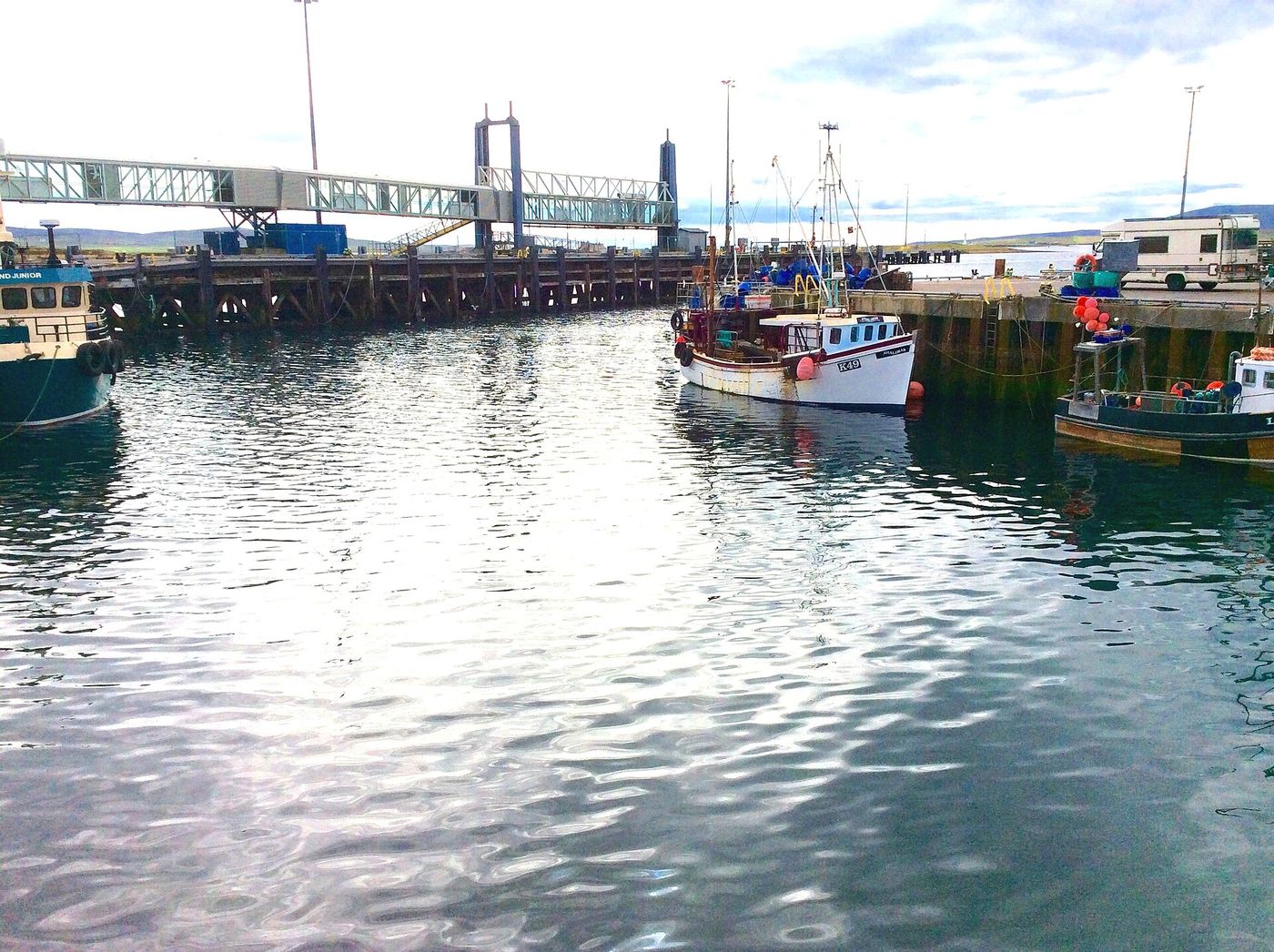
A genetic variant carried by about 7% of people in Orkney appears to protect against age-related hearing loss, researchers at the University of Edinburgh said on Monday, after tests on more than 2,300 islanders found that carriers over 65 could hear high-pitched sounds as well as non-carriers in their early 50s.
The variant, a single-letter change in a gene called TMC3L that is involved in maintaining the hair cells of the inner ear, was identified in data from the Orkney Complex Disease Study, a long-running project that has collected DNA and health records from islanders since 2005. Orkney’s small and relatively isolated population means that rare variants that arose centuries ago have persisted at much higher frequencies than on the mainland.
Among 310 carriers aged between 65 and 80 who took a standard hearing test, the average threshold at 4 kilohertz, the pitch most affected by ageing, was 24 decibels. Among 1,100 non-carriers of the same age it was 39 decibels, a difference the researchers describe as roughly 15 years of normal decline. The findings are published in Nature Genetics.
“We went looking for things that make people ill and found something that keeps them well,” said Prof Isla Mackintosh, who leads the Orkney study. “The variant seems to slow the rate at which hair cells die. If we can work out how, that is a target for a drug that could help everyone, not just the one in 14 Orcadians lucky enough to be born with it.”
Age-related hearing loss affects about 40% of people over 50 in the UK and is the single largest modifiable risk factor for dementia, according to the Lancet commission on the condition. There is no treatment other than hearing aids, which about a third of those who would benefit decline to use.
The team has already begun experiments in mice carrying the human variant, and a Cambridge-based biotechnology company has taken an option on the research. Mackintosh cautioned that the route from a protective variant to a medicine is long. “We have a mechanism to find and then a molecule to find,” she said. “Ten years would be quick.”
Participants were recruited through GP practices in Kirkwall and Stromness and through word of mouth on the islands, where the study is well known. Alan Flett, 72, a retired fisherman from Westray who learned last month that he carries the variant, said his hearing had always been good “apart from when my wife is asking about the bins”. “My father was the same at 90,” he said. “Now at least we know why.”
The Orkney study is one of three island cohorts in Scotland, alongside Shetland and the Western Isles, which together hold DNA from about 7,000 people. Researchers say the approach of studying founder populations, pioneered in Iceland and Finland, is increasingly productive as whole-genome sequencing becomes cheaper.
Sign up to First Edition
Our morning email breaks down the key stories of the day, telling you what's happening and why it matters.
Privacy notice: newsletters may contain info about charities, online ads and content funded by outside parties.

