Saturday cricket in retreat as north-east leagues lose 60 teams in five years
ECB report finds Sunday and midweek formats growing while the traditional Saturday league game struggles to field sides, with one Durham club folding its second XI after 103 years
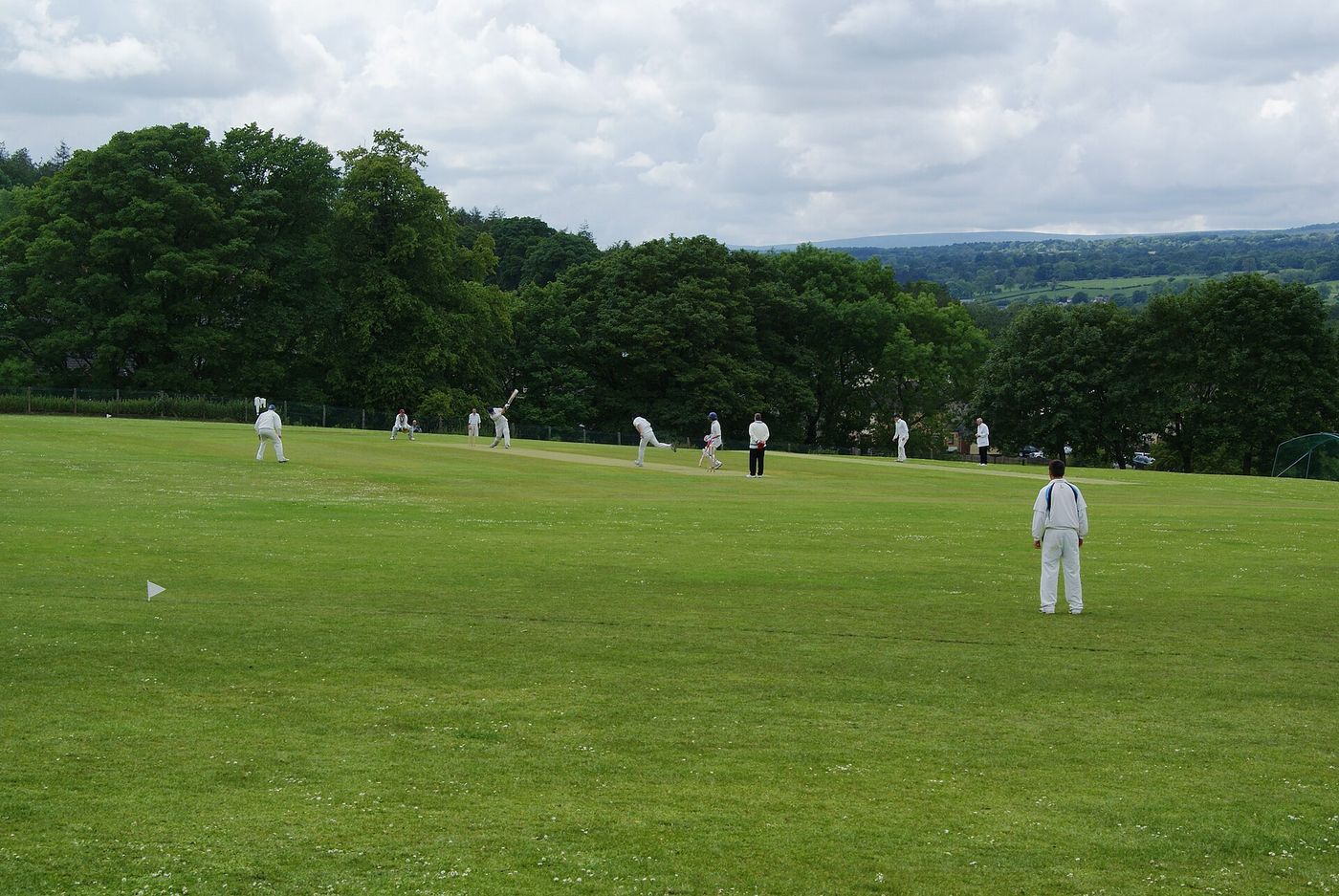
Saturday league cricket in the north-east of England has lost 60 teams in five years, according to a report by the England and Wales Cricket Board, with the traditional all-day format losing players to shorter midweek and Sunday games and clubs struggling to find enough people willing to give up a whole weekend day.
The report, which covers the leagues of Northumberland, County Durham and Teesside, found that the number of teams in Saturday competitions had fallen from 412 in 2021 to 352 this season, a drop of 15%, while the number of adults playing some form of organised cricket in the region had risen by 8% over the same period, driven by midweek T20 leagues, women’s softball and a Sunday “pairs” format in which games last three hours.
Among the casualties is the second XI of a club in a former pit village in County Durham, which played its last match in September after 103 years. The club’s first team survives, but the chair, Alan Stobbs, 63, said the writing had been on the wall for a decade. “You need 22 blokes who will give you every Saturday from April to September,” he said. “We used to have 40 on the books. Now we have 17, and five of them are over 50.”
The club will instead enter a Sunday afternoon league next season, where matches are 30 overs and finish by five. “Nobody wants to play 50 overs and get home at eight,” Stobbs said. “The young lads have kids, they have jobs on Saturdays, they want to do something else with the day. I do not blame them. I just wish it was not happening to us.”
The ECB report, which was commissioned after similar findings in Lancashire and Yorkshire, recommends that leagues allow clubs to enter shorter-format sides in Saturday competitions and that the governing body fund a “league adviser” in each county to help struggling clubs merge rather than fold. It also notes that the number of qualified umpires in the region has fallen by a quarter since 2019.
“The game is not dying, it is changing shape,” said Dr Fatima Rahman, the ECB’s head of participation, who wrote the report. “The people are still there. What is going is the specific commitment of a Saturday, and clubs that are built around that commitment and nothing else are the ones at risk. The clubs that are thriving have three or four formats and a bar that is open on a Thursday.”
The Durham club’s ground, which has a pavilion built in 1926 and a scorebox donated by the colliery welfare in 1954, is owned by a trust and is not under threat. Stobbs said the junior section, which has 90 children, was “the healthiest it has been in my lifetime”. The problem was what happened when they turned 18. “They go to university, or they go to Newcastle, and they do not come back on a Saturday,” he said. “They might come back on a Sunday.”
Sign up to First Edition
Our morning email breaks down the key stories of the day, telling you what's happening and why it matters.
Privacy notice: newsletters may contain info about charities, online ads and content funded by outside parties.